



Motherless Child
Tanyth Berkeley
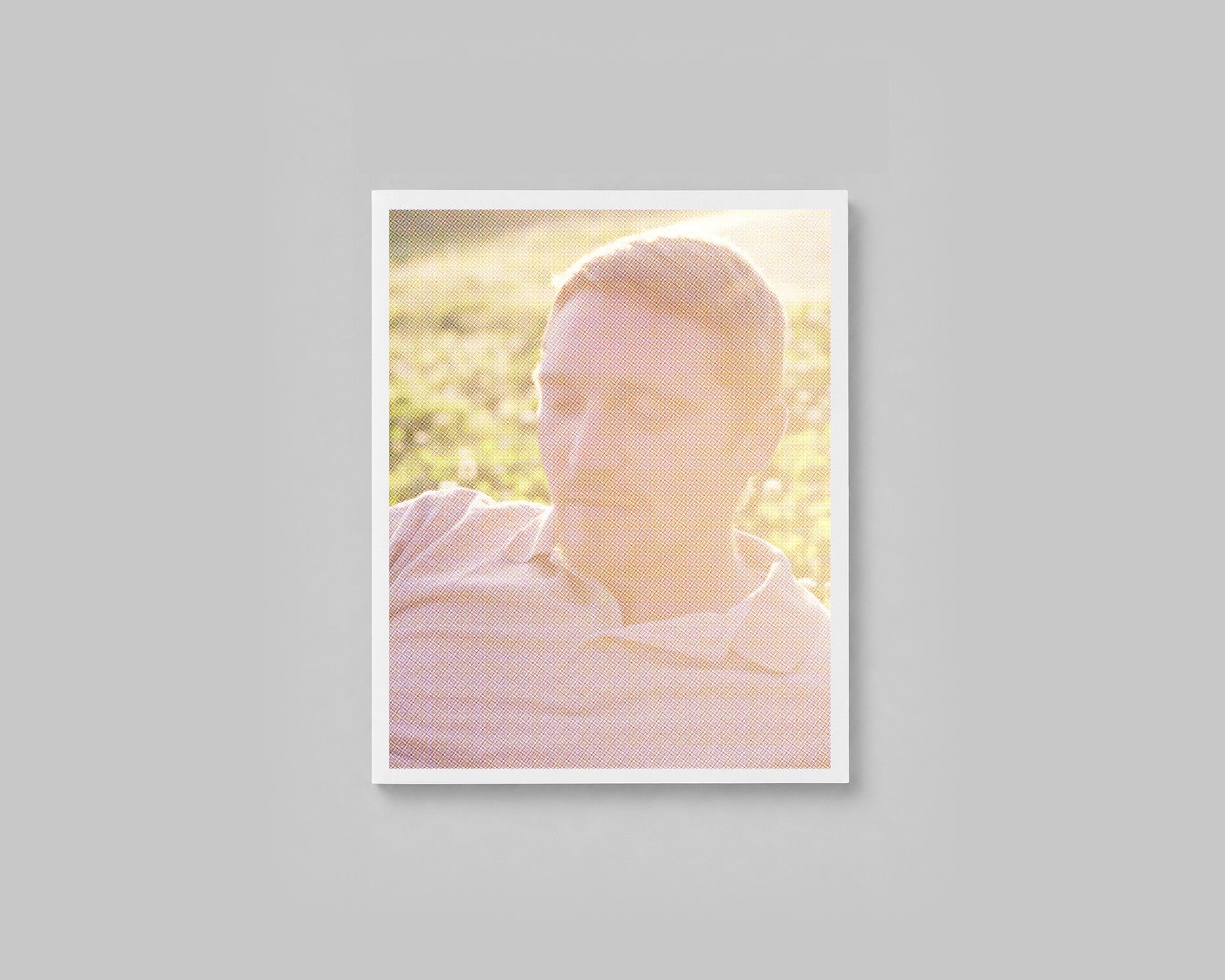
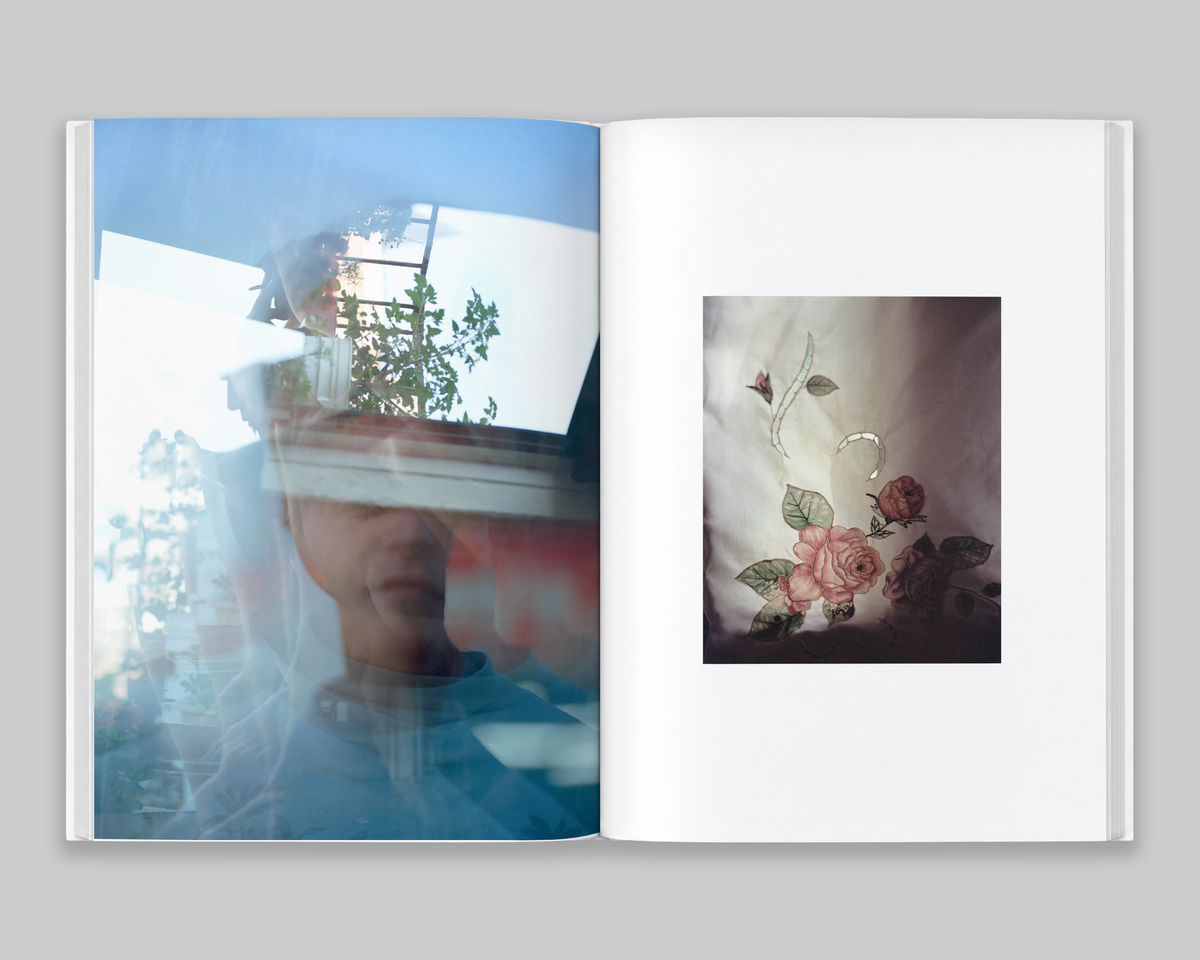
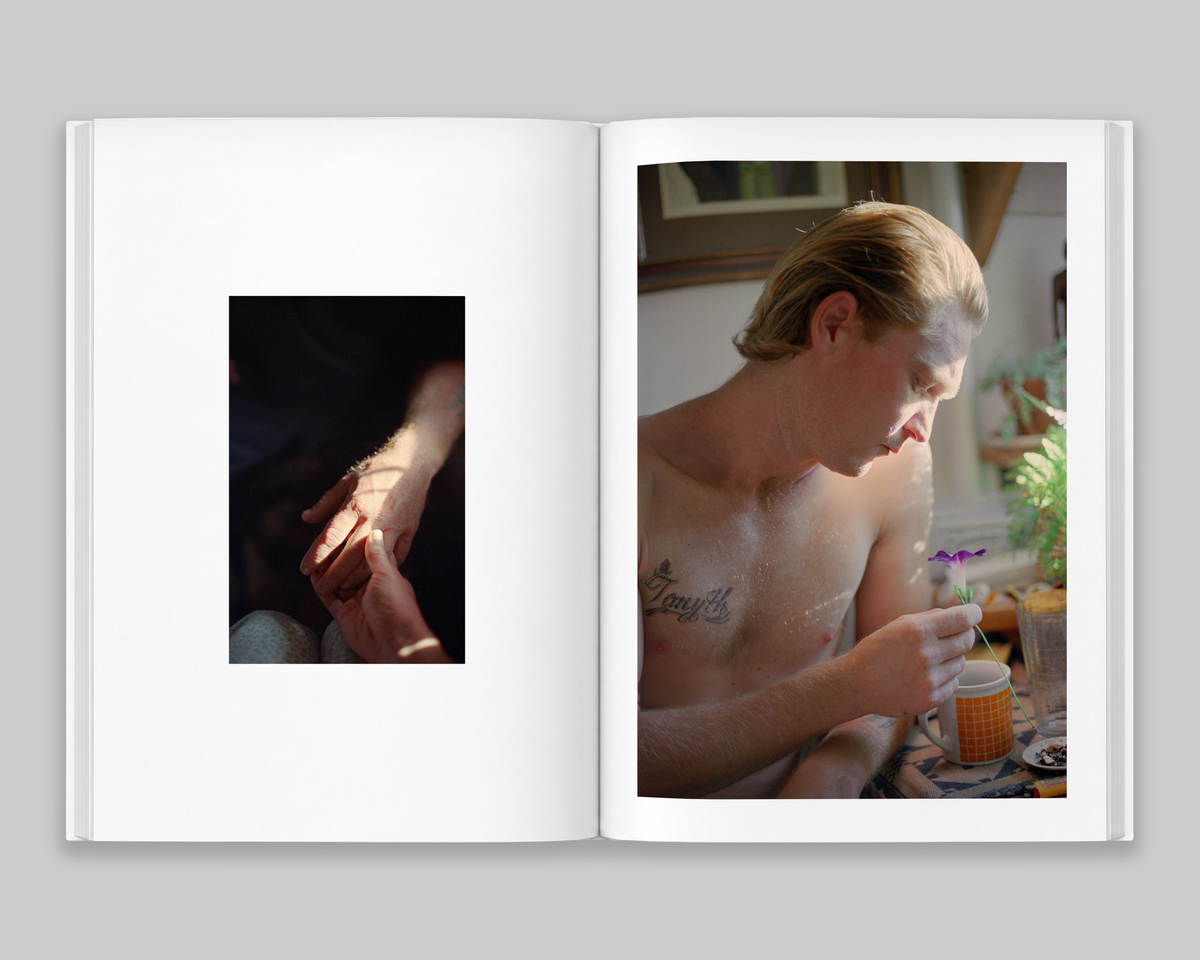
We are pleased to announce that Motherless Child, by Tanyth Berkeley is now available for preorder. Preorders come with signed 4x6 print of Lee holding flower.

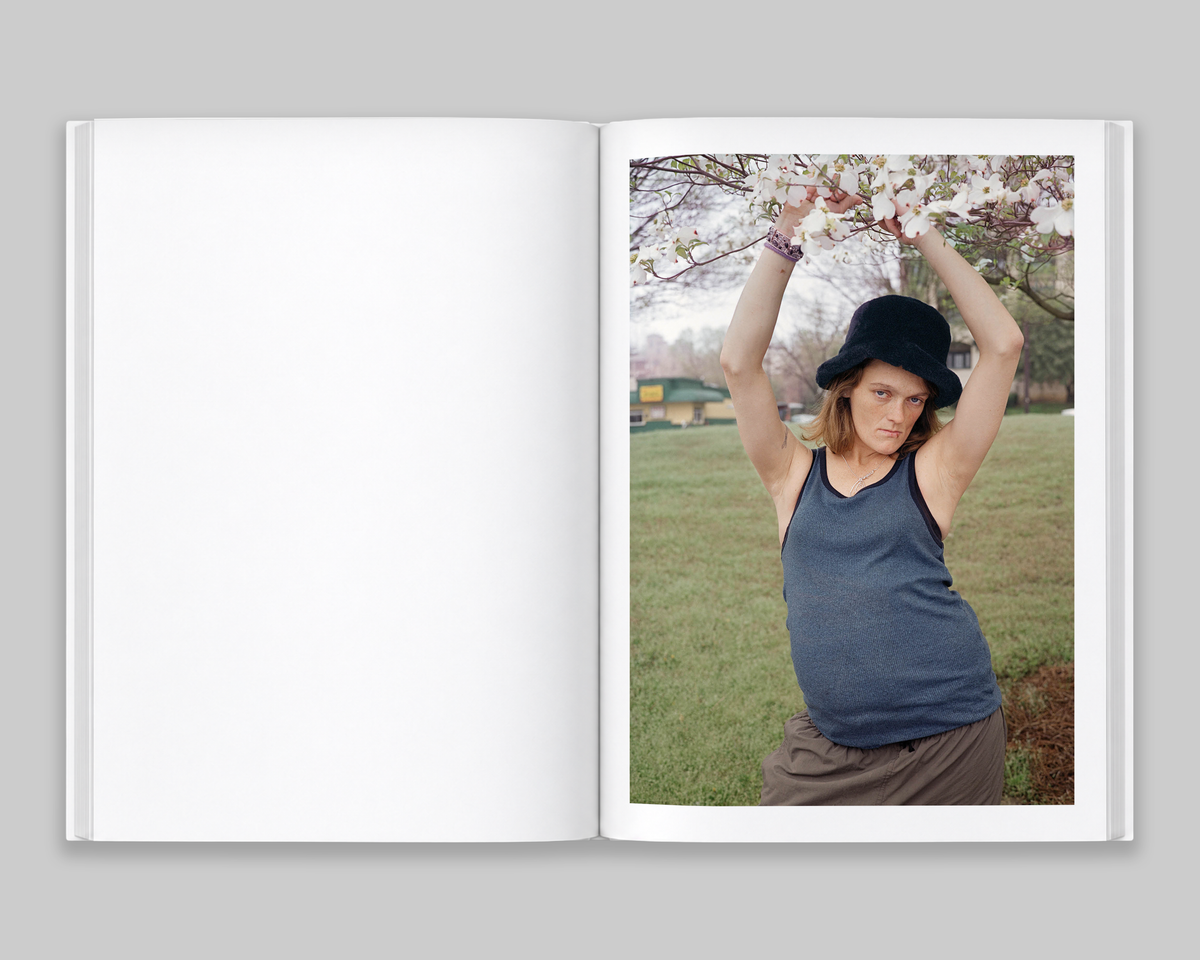
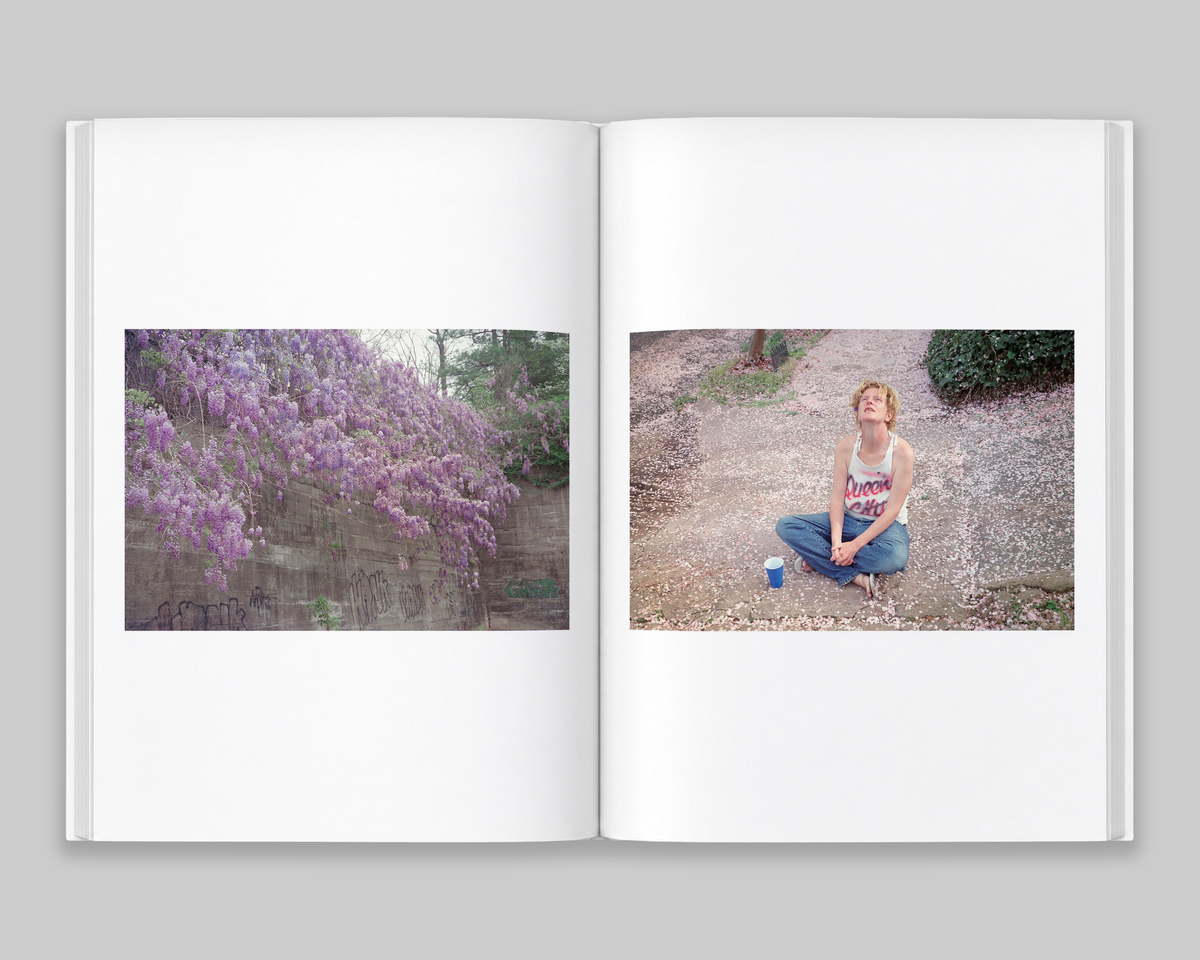
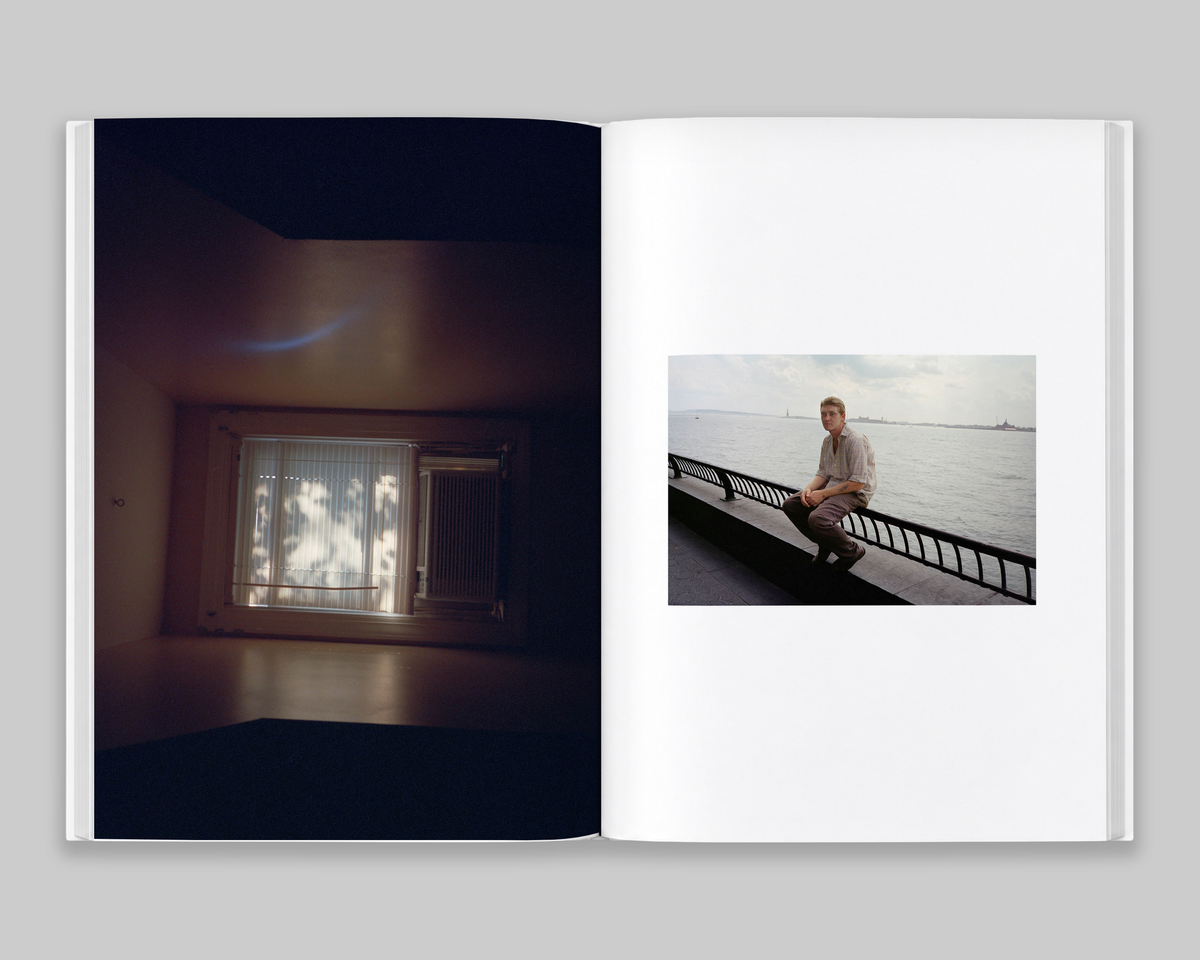
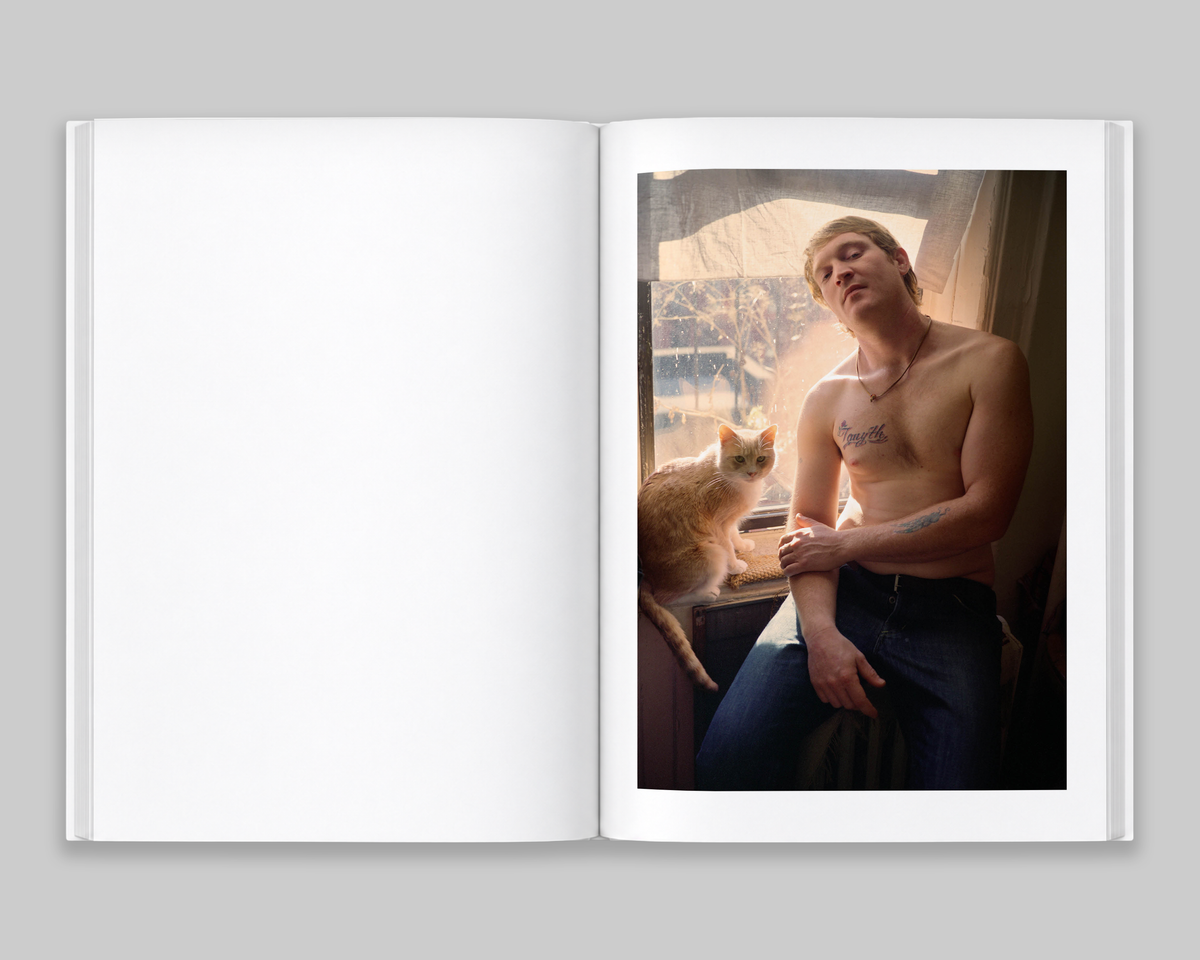
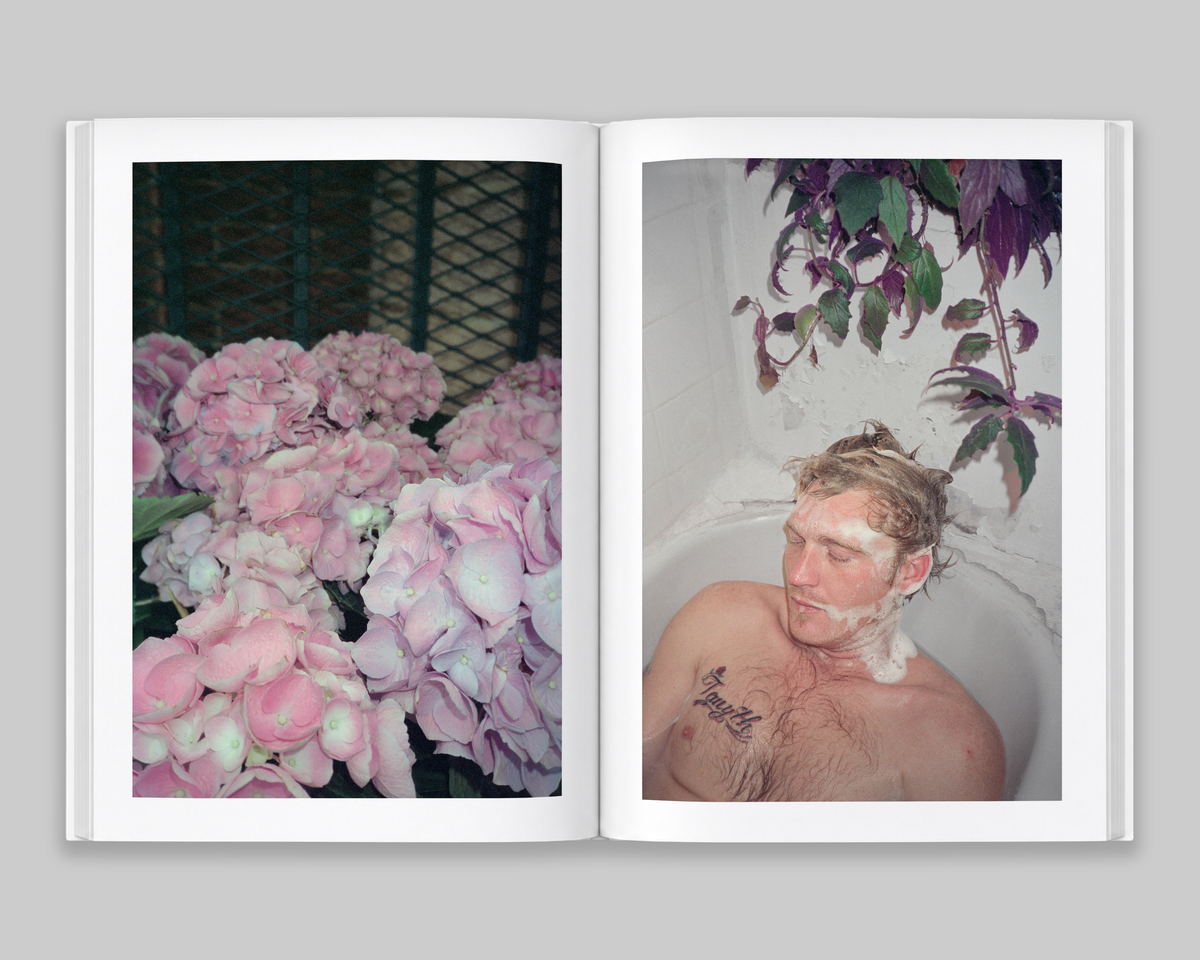
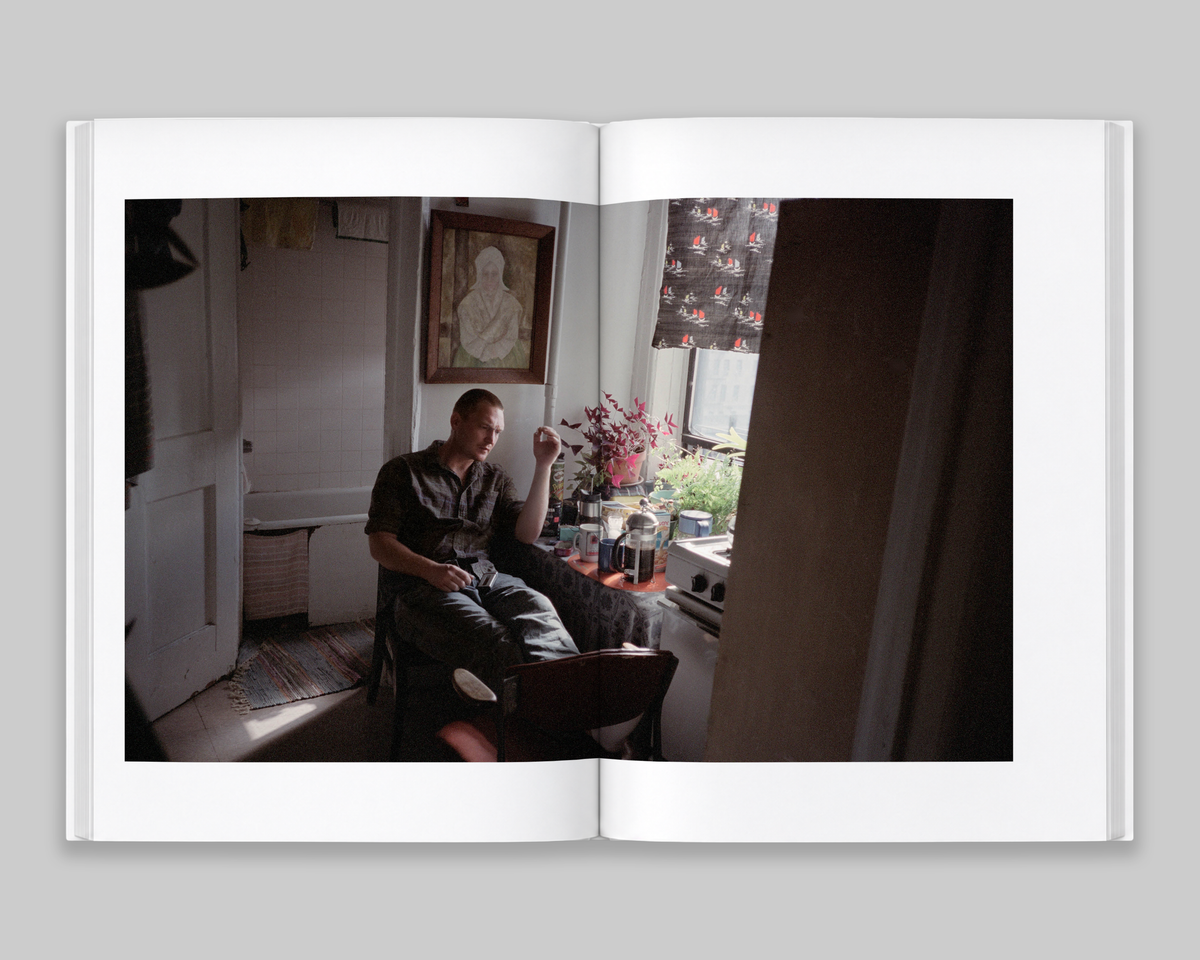
While photographing in Atlanta, Tanyth Berkeley found herself staying near Ponce de Leon Boulevard, where magnolias, forsythia, and wisteria bloomed alongside people who seemed, in her words, "beat up by life." Drawn to the contrast between the flowers in bloom and the lives unfolding beneath them, she began making portraits of those she met. Among them was Lee, a man who, she recalls, "glowed." Looking back on the work, she reflected that she had "begun with a different project in mind but then let the real chain of events tell the story."
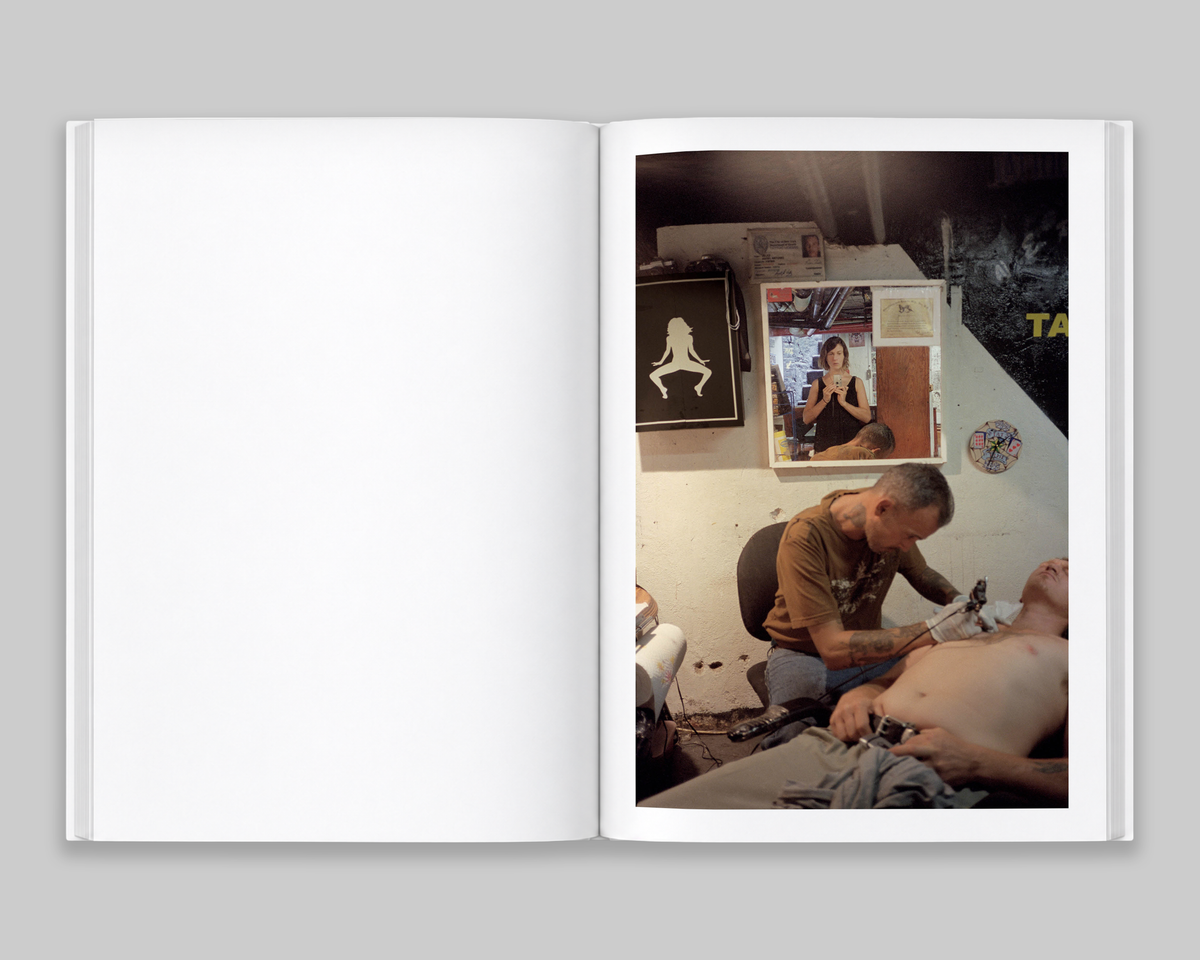
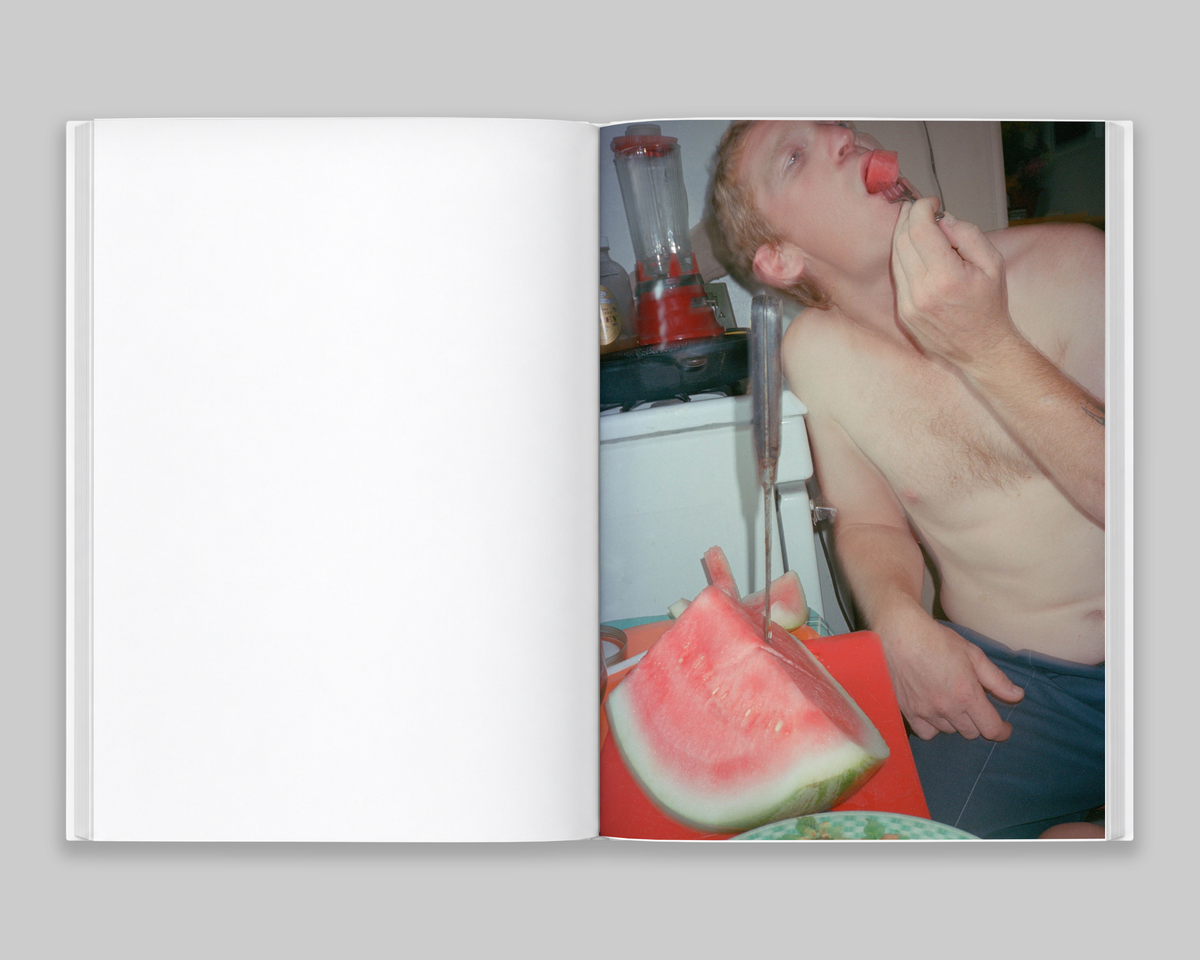
The book's opening street portraits give way to a more intimate sequence that traces her life with Lee, reflecting her departure from the distance traditionally associated with her portraiture work into something far more personal. Lee became both her muse and someone she loved. For Berkeley, photography was a way of holding on to people—a collaboration and a means of honoring those connections. Over the next two years, the photographs remain rooted in the intimacy of their relationship as Lee's life gradually begins to unravel. As addiction increasingly shaped his life, the photographs never lose sight of the man she first encountered. "To push that away is heartbreaking."
Only years after their relationship ended did Berkeley realize that Lee had become, in part, a surrogate through whom she was trying to understand the father she lost to a drug overdose when he was twenty-three. The title, Motherless Child, comes from the spiritual that, in her words, "changes depending on who is singing it." For her, Motherless Child came to embody the lasting effects of childhood trauma, the ways addiction shapes people's lives, and how those histories have played out in her own.
___
Tanyth Berkeley is an American photographer whose work explores portraiture, intimacy, and the relationships that develop between photographer and subject. Her photographs often emerge from long-term collaborations, allowing personal experience to shape the direction of the work. Berkeley received an MFA in Photography from Columbia University in 2004 and holds a BA in Photography and Creative Writing from the City College of New York. Her work has been exhibited internationally, including in New Photography at the Museum of Modern Art (2007), and at Bellwether, Danziger Projects, and the Saatchi Gallery. She lives and works in New York.
Choose options